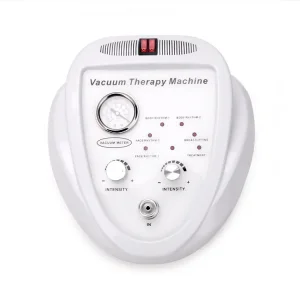
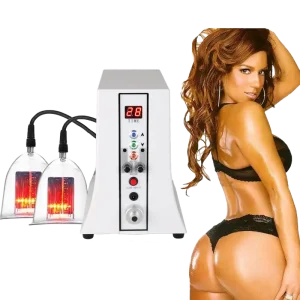
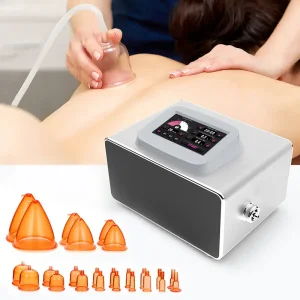
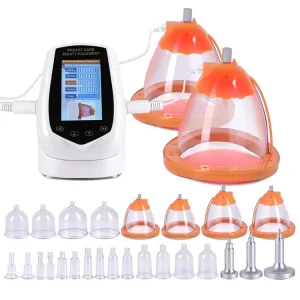
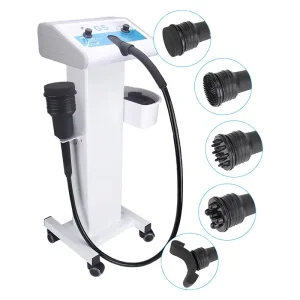
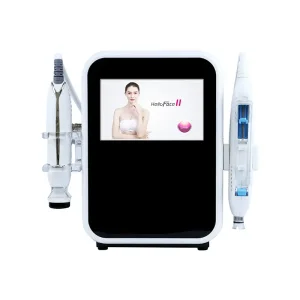
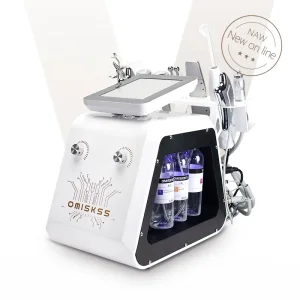
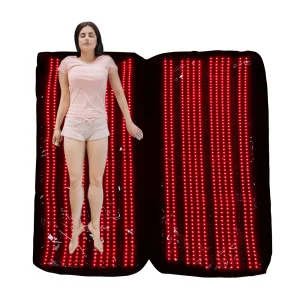
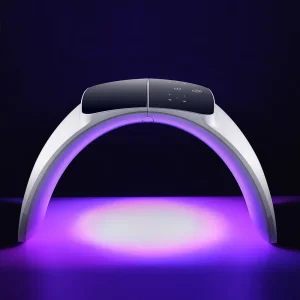
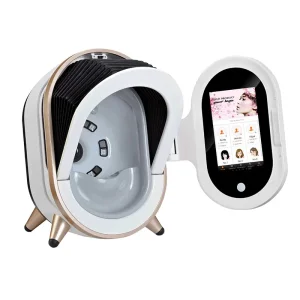
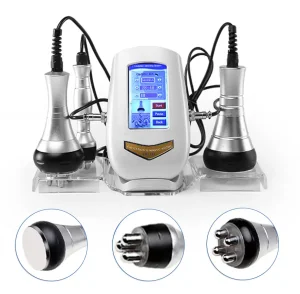
These four systems directly match commercial searches for breast vacuum suction therapy, buttock enhancement, cupping, and pump-based contouring equipment in Novosibirsk. The original product images and links are retained, while the descriptions are framed for clinic owners, distributors, and importers who need verifiable documentation, stable supply, and localized after-sales planning.
Novosibirsk is not simply a geographic keyword. It is one of Russia’s most significant scientific, educational, logistics, and service-industry centers in the Siberian Federal District. For suppliers of breast enlargement and butt lift machines, the city represents a practical entry point for clinics, beauty salons, fitness and wellness studios, hotel spas, distributors, and regional buyers who need equipment that can be serviced, documented, and adapted to local operating conditions.
From a semantic search perspective, the query “Breast Enlarge & Butt Lift Machine Factory & Suppliers in Novosibirsk” combines commercial intent, local availability intent, and factory-direct sourcing intent. The searcher is usually not looking for casual reading. They may be comparing manufacturers, checking CE documentation, requesting OEM branding, evaluating spare-parts support, or seeking a supplier who can communicate with a Novosibirsk-based clinic or distributor. A credible page must therefore answer procurement questions, regulatory questions, application questions, and after-sales questions in one place.
Novosibirsk benefits from a dense knowledge base: universities, research institutes, medical and wellness service providers, and a business community accustomed to technical purchasing. It is also a gateway to Siberia and Central Asia through rail, road, and air logistics, including the Trans-Siberian corridor and Tolmachevo Airport. That matters for equipment buyers because machine size, packaging, voltage configuration, spare-parts planning, training, and warranty response all influence total cost of ownership. China’s factory ecosystem can support these requirements, but only when the supplier treats Novosibirsk as a localized market rather than a generic export destination.
Novosibirsk’s academic and research environment creates a buyer profile that values specifications, traceability, training quality, and documented operating limits. Suppliers should be ready to answer technical questions about vacuum pressure, treatment intervals, consumables, electrical safety, and maintenance cycles.
The city’s transport links support consolidated shipments, regional distribution, and spare-parts warehousing. For factory suppliers, this means Novosibirsk can serve as a practical hub for clinics and resellers across nearby regions when packaging, customs documentation, and after-sales responsibilities are clearly defined.
Demand is not limited to one channel. Buyers may operate beauty salons, medical spas, fitness studios, body-contouring rooms, hotel wellness facilities, or distributor businesses. Each channel has different requirements for machine footprint, treatment menu, staff training, client throughput, and documentation depth.
Cold winters, voltage stability planning, low-noise expectations, and reliable spare-parts availability can affect adoption. A serious supplier should discuss power configuration, packaging protection, remote troubleshooting, user manuals, and preventive maintenance before the order is confirmed.
China’s beauty-equipment manufacturing clusters, especially in Shenzhen and the broader Pearl River Delta, offer deep component availability, rapid product iteration, OEM/ODM flexibility, and mature export documentation. For Novosibirsk buyers, the advantage is not merely price. It is the ability to configure equipment for local use, consolidate multiple product categories, and build a repeatable supply relationship.
Vacuum pumps, control boards, EMS modules, RF handpieces, LED arrays, sensors, touch interfaces, and housings are supported by a mature electronics and industrial design ecosystem. This allows factory suppliers to refine products, customize interfaces, and prepare spare-part strategies more efficiently than fragmented sourcing.
Distributors in Novosibirsk may need their own brand, Russian-language labels, customized treatment menus, specific plug types, or packaging suited to local retail and clinic channels. OEM and ODM cooperation can turn a standard machine into a market-appropriate product when the supplier has clear engineering and quality-control processes.
CE certification, test reports, electrical safety documents, EMC information, material declarations, and user manuals are critical for B2B due diligence. Buyers should request documents that match the actual model, voltage, intended use, and accessories, and should verify what additional EAC or local requirements may apply.
For Novosibirsk, service distance matters. A modular design with accessible handpieces, replaceable tubing, diagnostic support, and common spare parts reduces downtime. Suppliers should provide exploded diagrams, recommended spare-part lists, and preventive maintenance schedules.
Clinics and distributors often purchase vacuum therapy, EMS body sculpting, HI-EMT, RF, LED, hydra beauty, and skin-diagnostic devices together. A multi-category factory relationship can reduce supplier-management cost, simplify shipping coordination, and create a more coherent service and training plan.
Buyers may start with a pilot order, then scale into mixed containers, distributor pricing, or private-label programs. Clear communication on MOQ, lead time, payment terms, packaging, warranty exclusions, and spare-parts availability is essential for building trust across borders.
| Procurement Lens | What Novosibirsk Buyers Should Ask | Information Gain from a Factory Supplier |
|---|---|---|
| Technical Fit | Does the machine match the intended non-medical or clinical service menu, room layout, staff skill level, and client throughput? | Model-specific specifications, treatment protocol boundaries, consumable requirements, and maintenance intervals. |
| Compliance Fit | Which documents are available for the exact model, voltage, and intended use? Is CE sufficient for the buyer’s claims and market? | Clear document checklist, intended-use statement, and guidance to confirm EAC or other local requirements with a qualified Novosibirsk regulatory adviser. |
| Service Fit | Who handles installation, training, remote diagnostics, spare parts, and warranty claims? | Service-level plan, spare-part list, troubleshooting workflow, and local partner responsibilities. |
| Commercial Fit | What is the landed cost after freight, customs, training, and downtime risk? | Transparent quotation structure, packaging details, lead time, and long-term consumable and accessory strategy. |
Search intent around “suppliers in Novosibirsk” often hides a deeper concern: will the equipment be usable, supported, and defensible after delivery? China-based factories can provide strong manufacturing value, but Novosibirsk buyers need a localization plan that covers language, power, training, spare parts, and claims governance.
CE marking is an important export benchmark, but it is not a universal substitute for market-specific obligations. Depending on intended use, medical claims, and classification, Russian or EAEU requirements such as EAC technical regulations for electrical safety and EMC may need review. Buyers should confirm the regulatory pathway before making clinical or medical claims.
Operator manuals, quick-start guides, warning labels, treatment-menu suggestions, maintenance checklists, and training materials should be available in Russian or prepared through a qualified local partner. Clear language reduces misuse risk and improves staff confidence.
Voltage, plug type, grounding, surge protection, and cold-weather packaging should be specified in the quotation. For Novosibirsk, buyers should discuss stable power, spare fuses, recommended environmental operating ranges, and transport protection against winter temperature changes.
Equipment described as breast enlargement or butt lift machines must be operated only by trained professionals according to the manufacturer’s intended use and local legal requirements. Training should cover device setup, hygiene, treatment boundaries, contraindication awareness, emergency escalation, and documentation.
A Novosibirsk service plan should identify fast-moving parts, expected replacement intervals, remote diagnostic options, and escalation routes. Keeping a small critical spare-parts kit on site can reduce downtime and protect clinic revenue.
Marketing claims must match the product’s documented intended use and local rules. If devices include client records, imaging, or AI diagnostics, buyers should define data access, storage, and staff permissions. Professional equipment should be represented honestly and conservatively.
Buyers often evaluate breast and buttock shaping devices alongside adjacent body-contouring and skin-management equipment. The following original portfolio items support mixed-category procurement, distributor assortment planning, and clinic treatment-menu expansion. All original product links and images are retained.
Localized application context helps buyers map a machine to a realistic business model. A hotel spa may prioritize client comfort and compact footprint; a fitness studio may focus on body sculpting and muscle stimulation; a beauty center may need facial skin management and combined body programs; a distributor may need a balanced assortment across price points and treatment categories.

never mind about the hair remove problem again, bring you smooth skin.
For Novosibirsk beauty centers, the commercial opportunity is a repeatable skin-smoothness service menu with clear training, patch-test protocols, and hygiene controls.
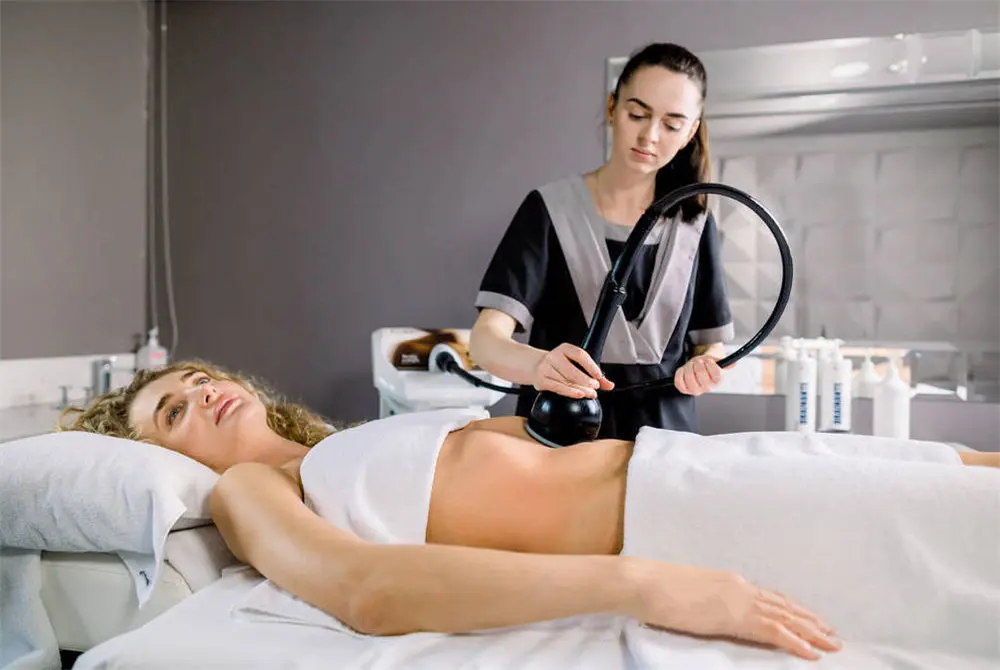
use for face and body, remove fat Application:Health and fitness center.
In Novosibirsk fitness and wellness settings, body shaping equipment can complement exercise programs when expectations, consultations, and operating limits are transparent.
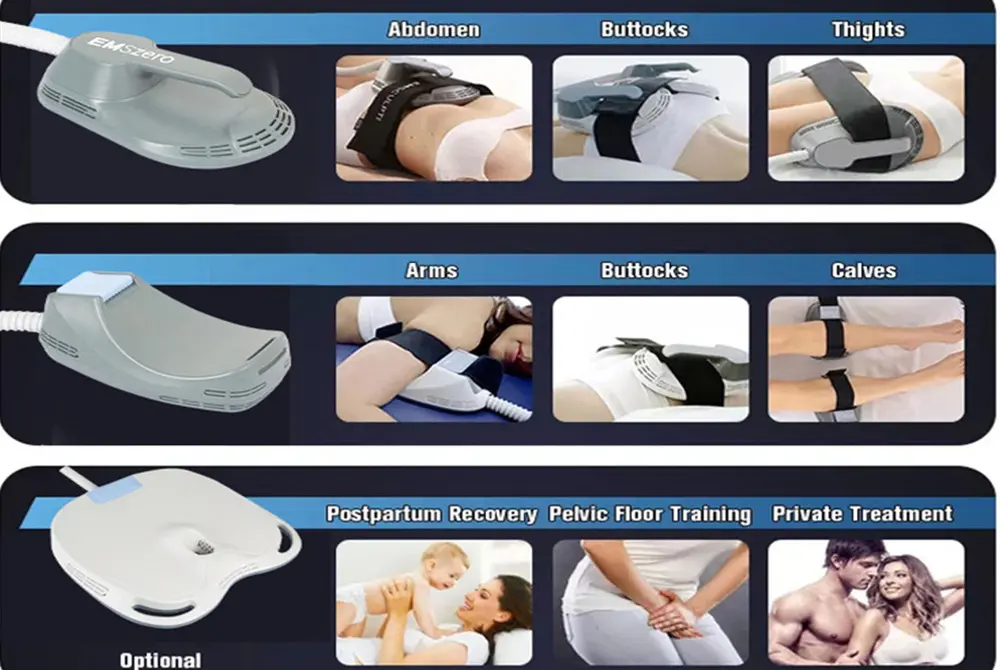
building your muscle with high technology, save your excercise time.
For body-contouring studios in Novosibirsk, EMS and HI-EMT-style equipment can support package programs, but staff must follow manufacturer protocols and avoid unsupported medical claims.
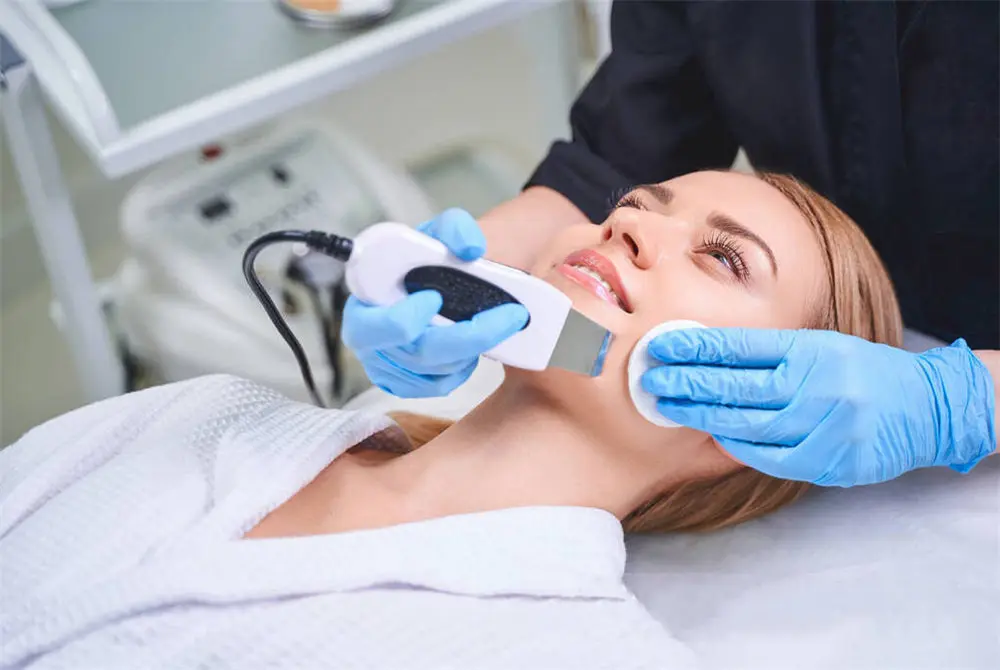
hydra beauty machine Application: Beauty center/beauty sPA.
Novosibirsk beauty spas can use hydra and skin-management platforms to build recurring facial programs, seasonal offers, and combined body-and-face memberships.
Shenzhen Aidiesin Industrial Co., Ltd. is committed to providing excellent customer service and satisfaction.
These devices harness the power of LED light to address a variety of skin concerns and promote a healthy and youthful complexion. With different modes and customizable settings, users can enjoy a personalized skin care routine in the comfort of their own home.
In addition, Aidiesin is also committed to the research and development of beauty salon instruments, researching and developing a series of fat blasting machine, EMS sculpting machines and facial beauty instruments. It enjoys reputation of "high-end", "cutting-edge" and "high-quality" in the beauty industry.
For Novosibirsk buyers, that innovation story becomes meaningful only when it is translated into model-specific specifications, operator training, documentation, and responsive after-sales service. A supplier with experience across LED therapy, EMS sculpting, fat blasting, and facial beauty instruments can help distributors and clinics build a more coherent equipment roadmap.
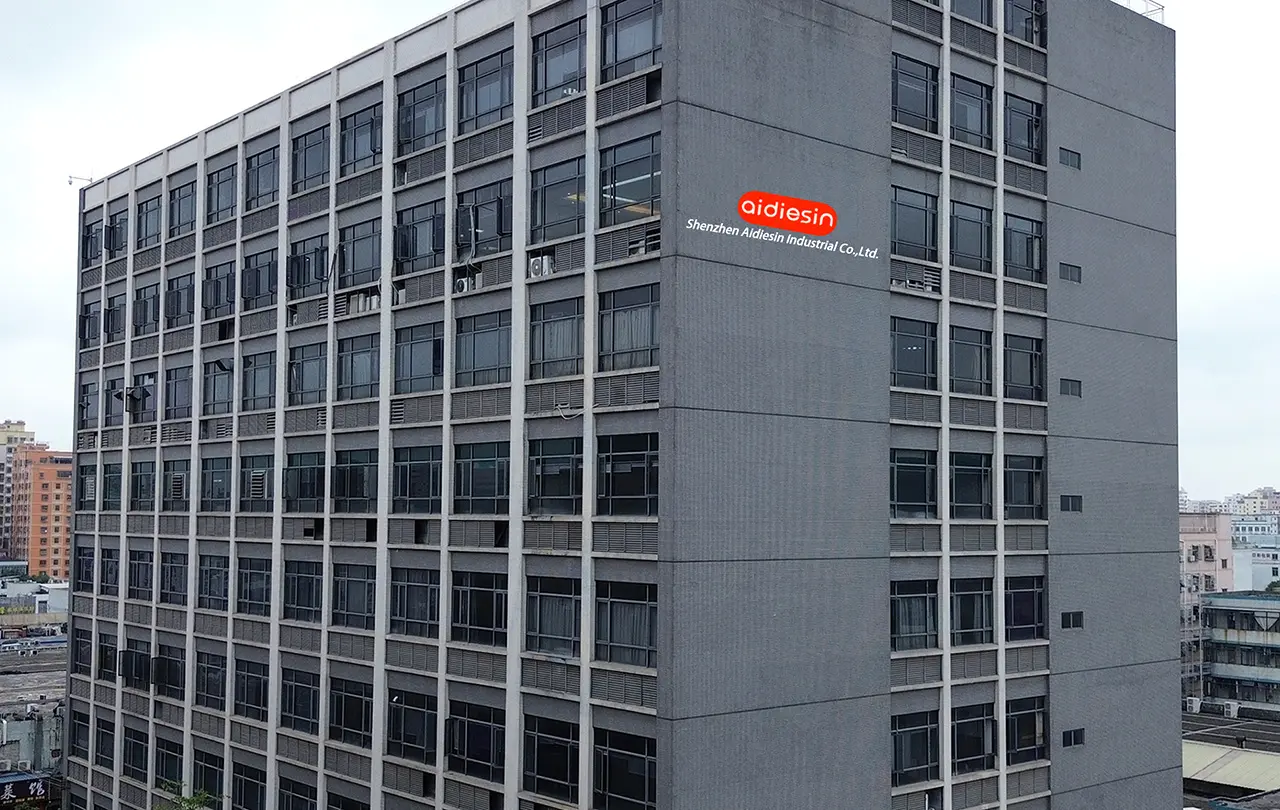
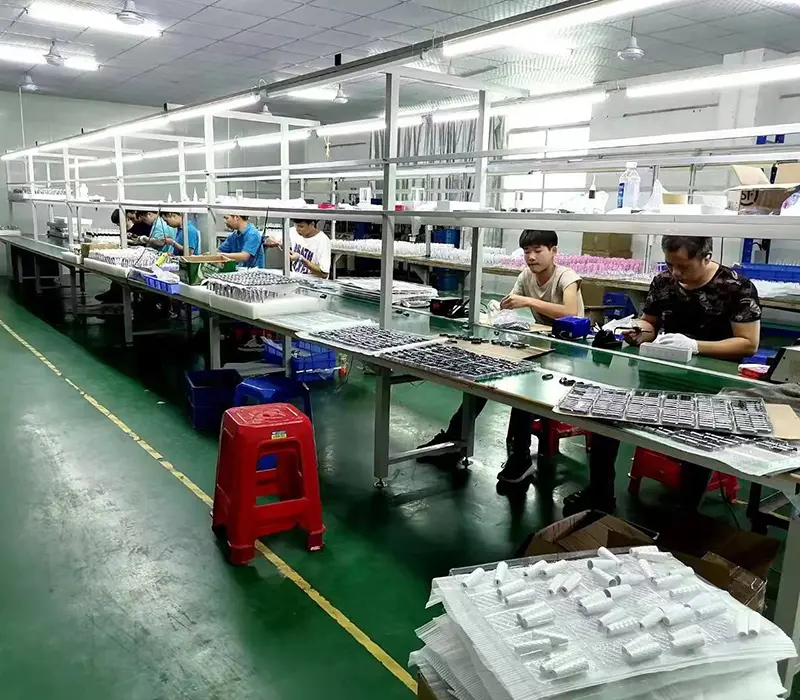
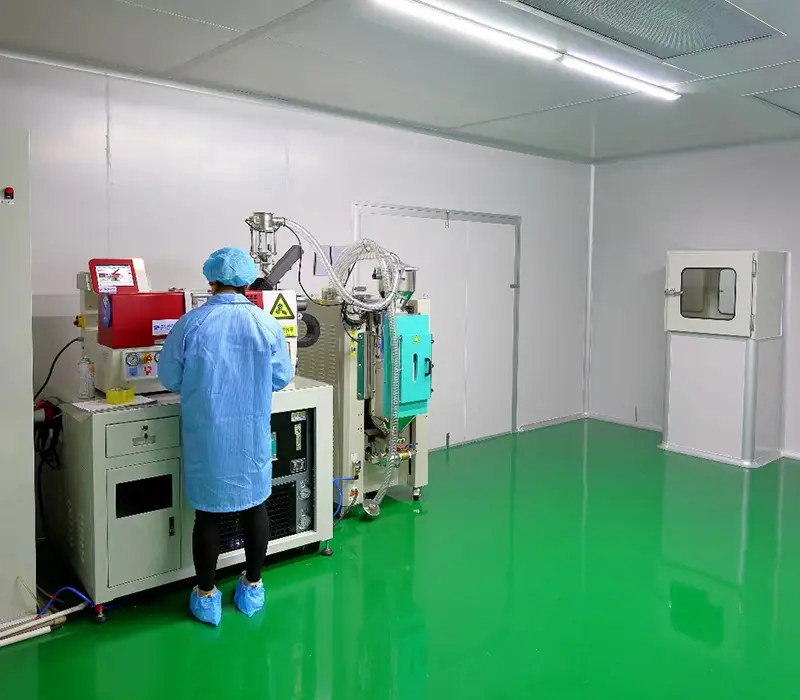

About Us: The company attaches great importance to quality control, ensuring that each product undergoes rigorous testing and inspection before entering the market. We have complete experience in product design and research and development, and our company has many excellent employees and developers. We also have a good after-sales feedback system, which can promptly inspect and correct product problems. Please rest assured that every product you use is carefully inspected and qualified!
Quality control should be presented as evidence, not a slogan. Buyers should request model-specific inspection records, electrical safety test information, EMC documentation where applicable, packing checks, and a clear statement of what is inspected before shipment. For higher-risk markets and claims, additional local registration or conformity steps may be required.
A feedback system is valuable when it produces traceable corrective actions. Novosibirsk distributors should ask how fault reports are logged, how root causes are reviewed, how replacement parts are approved, and how recurring issues are escalated to engineering. This is a key E-E-A-T signal for long-term procurement.
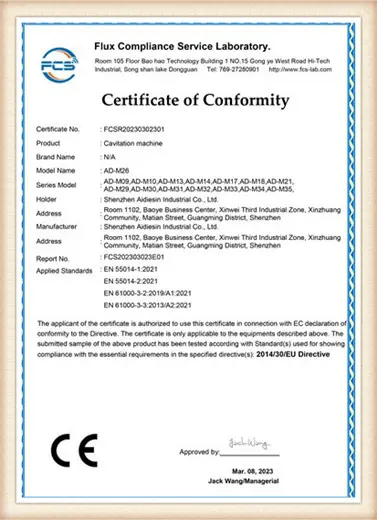
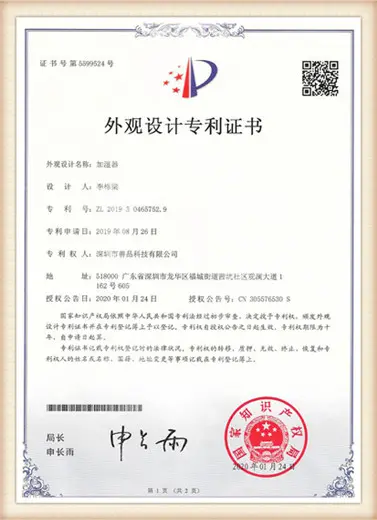
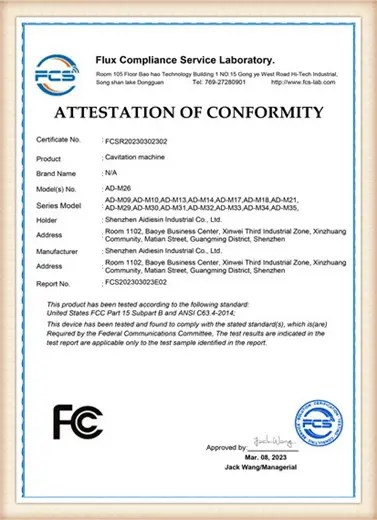
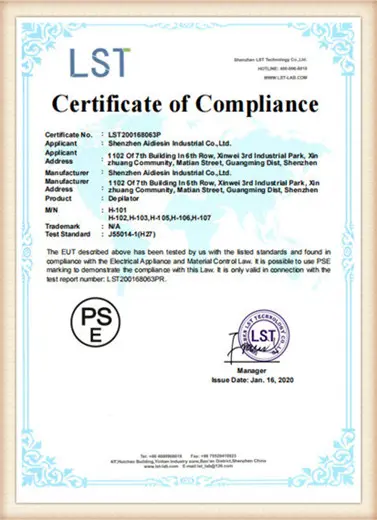
The strongest factory relationship is built on clear responsibilities. For Novosibirsk buyers, supplier support should cover the pre-sales specification stage, order documentation, packaging, delivery coordination, installation guidance, operator training, spare-parts planning, and post-delivery troubleshooting. The intent is to reduce business risk, not merely to ship a device.
We have after-sale service, any problem, we will solve and provide with technical support.
We support OEM&ODM customized, material customized, and design special type for you.
We have design, production, sales, after-sale, technical department, provide you with a chain service.
Our company is a happy big family, and any inquiries you make will receive timely and professional responses from us.
Across global markets, buyers are becoming more sophisticated. They compare total cost of ownership, not just unit price. They ask for compliance evidence, operator training, localized content, spare-parts availability, and clear product positioning. Novosibirsk follows the same pattern, especially when buyers serve clients across multiple regions or plan to distribute equipment to other Siberian markets.
Distributors increasingly require model-specific documentation before they include a product in a catalog. Electrical safety, EMC, material declarations, labeling, and intended-use statements are becoming core selection criteria, not afterthoughts.
Private-label programs need more than a logo. Buyers expect custom packaging, localized interfaces, translated manuals, branded treatment menus, and training materials that reflect local commercial language and service expectations.
Clinics and spas are combining body shaping, vacuum therapy, EMS, RF, LED, hydra beauty, and skin diagnostics into integrated memberships. This increases demand for suppliers that can support multiple categories with consistent quality and service.
AI skin diagnostics, 3D imaging, and digital consultation tools are gaining attention because they can improve client communication and treatment tracking. Buyers should still validate the accuracy, privacy, and intended use of such systems.
Remote support, modular spare parts, error-code documentation, and fast-response technical communication are becoming major differentiators. A machine is only commercially valuable when it can be kept in service.
Regulators, professional buyers, and consumers all respond to responsible marketing. Equipment related to breast enlargement and butt lift should be positioned within the manufacturer’s intended use, local legal limits, and professional operator training standards.
Global procurement teams also look for supply resilience. They ask whether the factory can maintain component consistency, whether accessory specifications can be locked, whether replacement handpieces and consumables are available over time, and whether packaging can survive multi-stage transport. For Novosibirsk buyers, these questions should be answered before a purchase order, not after a fault occurs.
The most reliable way to buy breast enlargement and butt lift equipment from a China factory is to follow a staged process. This roadmap helps clinics and distributors compare suppliers, reduce compliance ambiguity, and protect the client experience.
| Phase | Novosibirsk Buyer Action | Expected Output |
|---|---|---|
| 1. Intent and Use Definition | Define target services, operator qualifications, room layout, client volume, and whether the device will be used in a clinic, spa, fitness center, or distribution model. | Clear equipment brief and model shortlist. |
| 2. Supplier and Document Review | Request model-specific specifications, images, certificates, manuals, voltage options, plug type, packing details, warranty terms, and spare-parts list. | Comparable supplier matrix and risk notes. |
| 3. Compliance Confirmation | Ask a qualified local adviser to confirm whether CE, EAC, medical registration, or other obligations apply to the intended use and claims. | Documented compliance path before purchase. |
| 4. Pilot Order and Acceptance | Inspect the delivered unit, test functions, review error handling, verify accessories, and train staff before launching paid services. | Acceptance checklist and trained operator team. |
| 5. Scale and Service Plan | Plan consumables, preventive maintenance, spare-parts stock, remote diagnostics, and distributor expansion based on real usage data. | Stable equipment program and long-term supplier relationship. |
These answers address common pre-purchase questions from clinics, distributors, and wellness operators who are comparing China factory suppliers for Novosibirsk delivery and service.
No. Compliance depends on the exact model, intended use, claims, classification, and applicable Russian or EAEU requirements. CE documentation can support export due diligence, but buyers should confirm whether EAC, medical registration, electrical safety, EMC, or other local obligations apply. Obtain local regulatory advice before commercial launch.
OEM and ODM projects can typically support localized labels, manuals, interfaces, and training materials, but the scope must be written into the quotation. Buyers should verify translation quality, warning accuracy, and consistency between the manual and the actual device configuration.
Confirm the facility’s electrical supply and required plug type before ordering. Ask for grounding requirements, surge-protection recommendations, fuse specifications, and environmental operating limits. Cold-weather transport packaging should also be discussed, especially for winter delivery.
Lead time is affected by model, customization, testing, packaging, and shipping route. Buyers should request a written timeline covering production, inspection, export documentation, transport, customs clearance, and delivery. For mixed orders, consolidated shipping can reduce complexity but requires clear packing lists.
Yes, OEM/ODM cooperation can include brand labels, packaging, color, interface language, treatment-menu design, and accessory configuration. The feasibility and MOQ depend on the model. A responsible supplier will define which changes affect certification, warranty, and spare-parts compatibility.
Training should cover device setup, hygiene, operator safety, treatment boundaries, contraindication awareness, maintenance, troubleshooting, and record keeping. Operators should be qualified according to local requirements. Do not rely on machine purchase alone as clinical competence.
Ask which components are covered, what is excluded, how claims are submitted, expected response time, whether a local service partner is involved, and which spare parts should be stocked. Request a recommended spare-parts list and preventive maintenance interval for each model.
MOQ varies by product, customization level, and whether the buyer needs private labeling. Distributors can often start with a pilot order and scale later. All pricing, packaging, warranty, and after-sales terms should be confirmed in writing before payment.
This final portfolio section preserves the original product images and URLs for buyers who need a broader equipment assortment, including EMS/HI-EMT, infrared therapy, LED facial therapy, AI skin diagnostics, and body-weight-management equipment. Novosibirsk clinics and distributors can combine these categories with breast and butt lift machines to build a more complete service and distribution strategy.
 Aidiesin