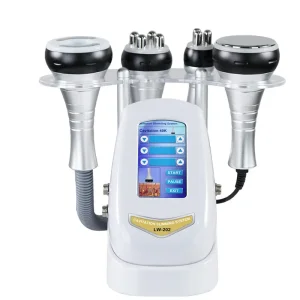
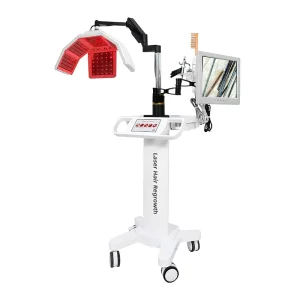
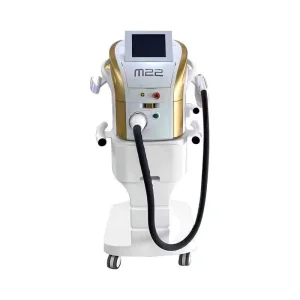
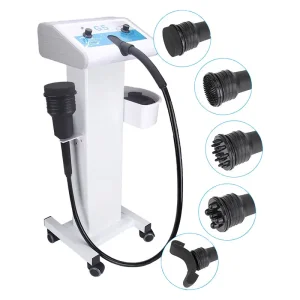
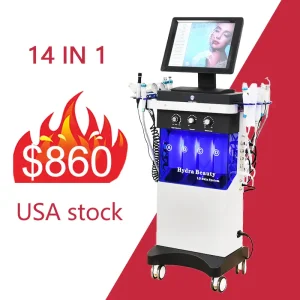
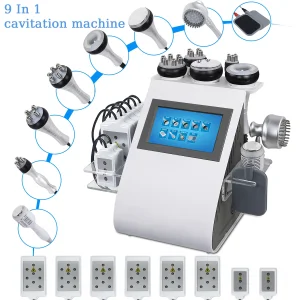
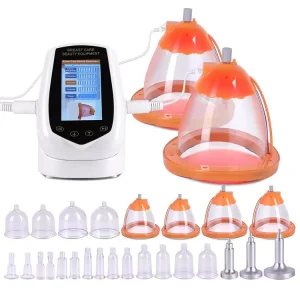
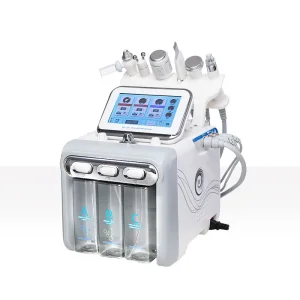
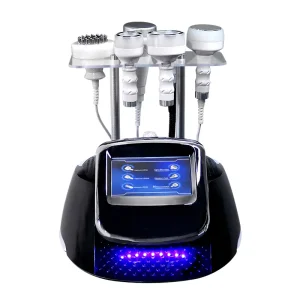
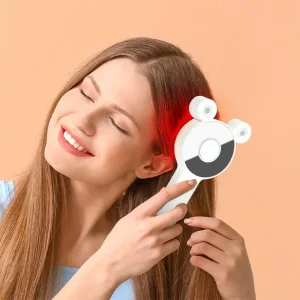
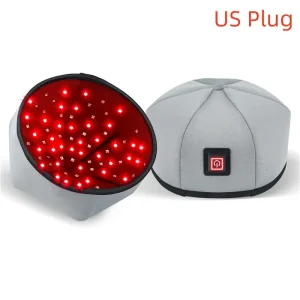
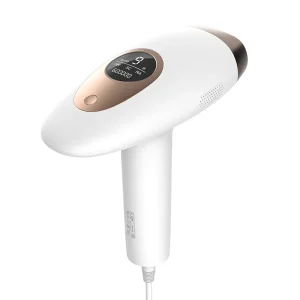
Innovative medical-grade devices engineered for clinics, beauty salons, and dermatology centers.
In the modern dermatology and aesthetic medical landscape, data-driven decisions have replaced subjective skin assessments. The global market for Custom Skin Checking Machines is experiencing unprecedented growth, driven by advances in AI-driven diagnostics, optical imaging systems, and custom software integration. As clinical practices transition from simple magnification tools to sophisticated multispectral analyzers, factories and OEM/ODM services must adapt to provide state-of-the-art technological infrastructures.
This comprehensive whitepaper outlines the structural evolution of skin diagnostic devices, highlights B2B procurement criteria for global medical distributors, and provides actionable insights on selecting key development methodologies. With the integration of RGB, UV, and Cross-Polarized light technologies, skin check systems can now reveal deep-tissue pathology before symptoms manifest on the epidermal layer.
"According to dermatological search trends, B2B procurement queries related to 'AI facial skin analyzers' and 'OEM multispectral skin diagnostics' have risen by 140% year-on-year. Buyers are shifting their focus from basic hardware availability to comprehensive algorithm accuracy, cloud integration, and clinical evidence validation."
Traditional skin examination was limited to visible light inspection, missing underlying pigments, vascular malformations, and sub-epidermal cellular configurations. Contemporary skin analysis systems leverage multispectral imaging. By combining specific wavelengths—such as deep-penetrating UV for sebum and porphyrin detection, polarized light to suppress superficial glares, and standard RGB for surface texture—dermatologists get a complete, layered structural matrix of the patient's skin. Customization services now focus on customizing these optical pathways and integrating cloud databases to auto-compare skin matrices against verified dermatological indexes.
Shenzhen Aidiesin Industrial Co., Ltd. is a leading manufacturer committed to excellence, innovation, and global customer satisfaction in the beauty engineering sector. Strategically situated at the hub of advanced consumer and medical electronics manufacturing, we provide start-to-finish production lines for cosmetic and clinical technologies worldwide.
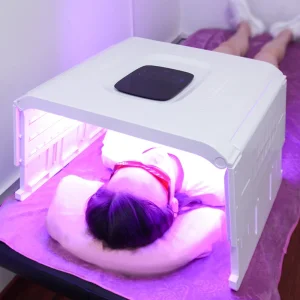
Our ongoing commitment to innovation is reflected in our robust line of LED therapy machines, fat cavitation systems, and high-frequency face analyzer systems. By combining specialized optical engineering with user-friendly app environments, we help distributors bring powerful aesthetic tools to the global market quickly.
Through our dedicated OEM/ODM division, we collaborate with scientific laboratories, clinical franchises, and software developers to build bespoke systems that match local regulatory standards and distinct market demands.
To understand the capability of custom-manufactured skin diagnostic systems, we must analyze the key components that define clinical utility and performance:
A standard webcam or low-tier imaging sensor cannot provide the necessary data for medical-grade skin diagnosis. Aidiesin integrates professional, custom-calibrated HD optical sensors (up to 20-36 megapixels) that coordinate with micro-focus zoom setups. Our systems utilize high-fidelity glass optics instead of acrylic alternatives, minimizing chromatic aberration and light scattering. This guarantees consistent resolution down to 10 micrometers, allowing practitioners to observe fine wrinkles, active follicular paths, and subtle capillary breaks.
The core engine of a modern skin analyzer is its light emission array. By utilizing automated sequence flashing, the machine captures multiple distinct frames in less than 3 seconds:
For global distributors, spa franchises, and dermatological clinics, procuring custom skin checking equipment requires careful due diligence. Standard cosmetic devices must transition to verified, stable B2B equipment solutions. We base our manufacturing agreements on three fundamental pillars:
Developing specialized clinical hardware tailored for high-demand wellness and aesthetic applications.

High-fluence diode and IPL laser configurations developed with active freezing skin guard sensors to deliver pain-free treatments.
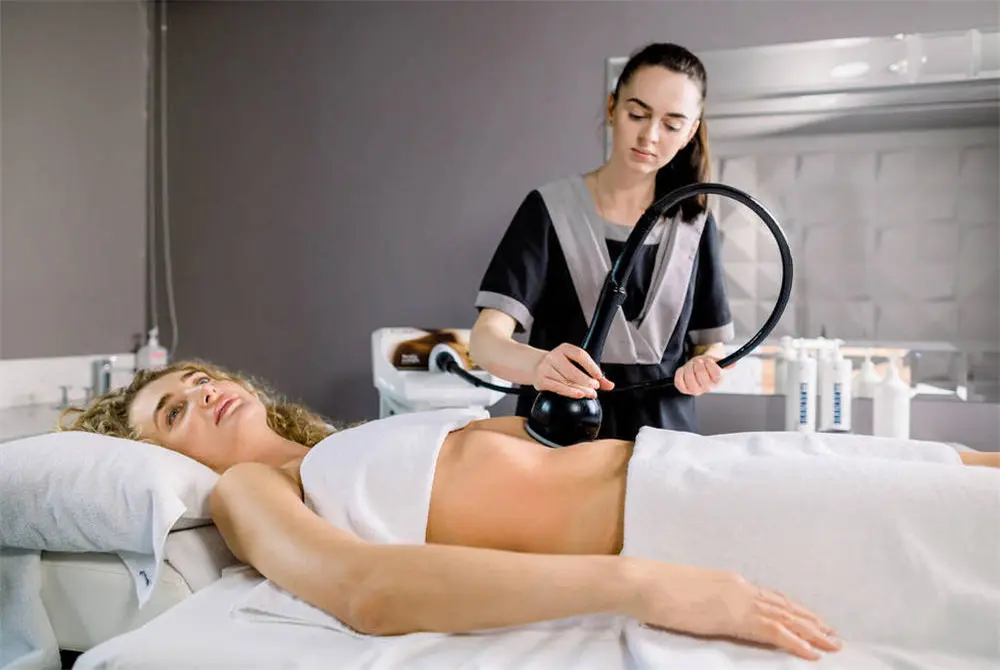
High-efficiency ultrasound cavitation and localized fat thermal breakdown systems, targeting adipocytes for non-invasive body contouring.
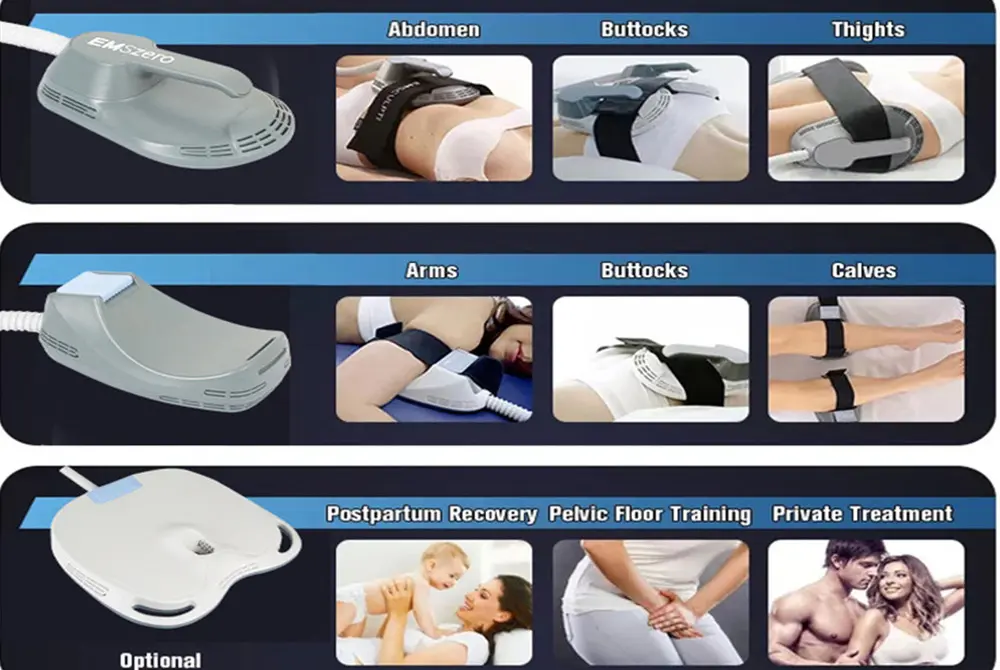
Active electromagnetic stimulation devices designed to build muscle fiber and burn deep visceral fat deposits simultaneously.
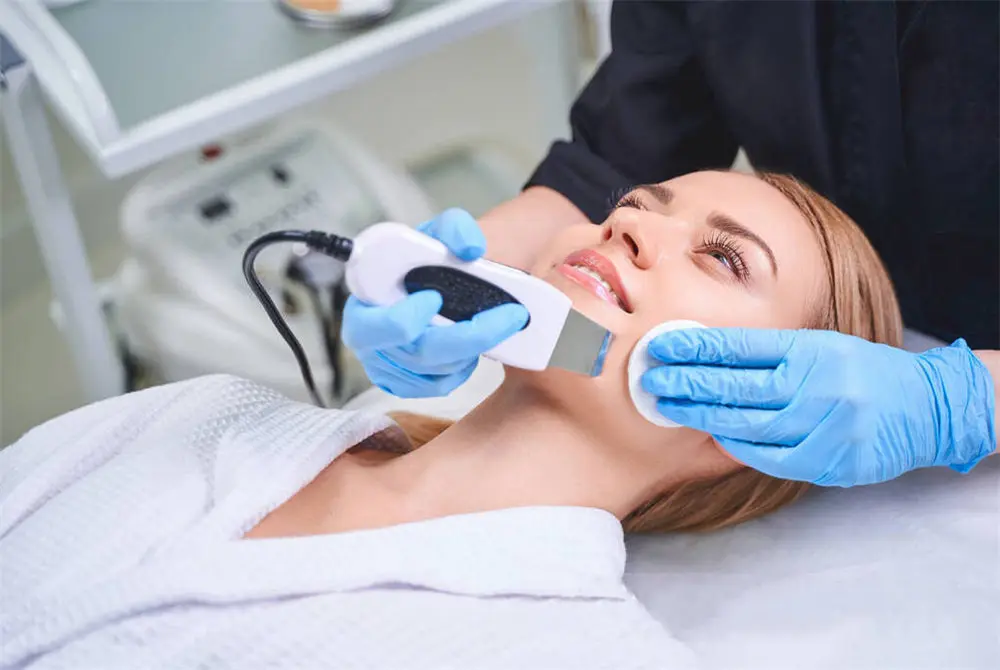
Hydradermabrasion, H2O2 infusion, and diamond peeling systems built for high-throughput day spas and medical clinics.
Every skin checking machine and aesthetic device that leaves our manufacturing plant undergoes a multi-phase quality control inspection. Standard evaluations include optical color calibration, power stability tests, and structural integrity analysis. We run continuously simulated clinical environments to verify sensor lifespan and check for light emission drift over time.
Our manufacturing and assembly departments are organized under strict ISO quality guidelines. This systematic approach allows us to deliver dependable hardware to the highly regulated EU, North American, and Asia-Pacific medical-aesthetic markets.
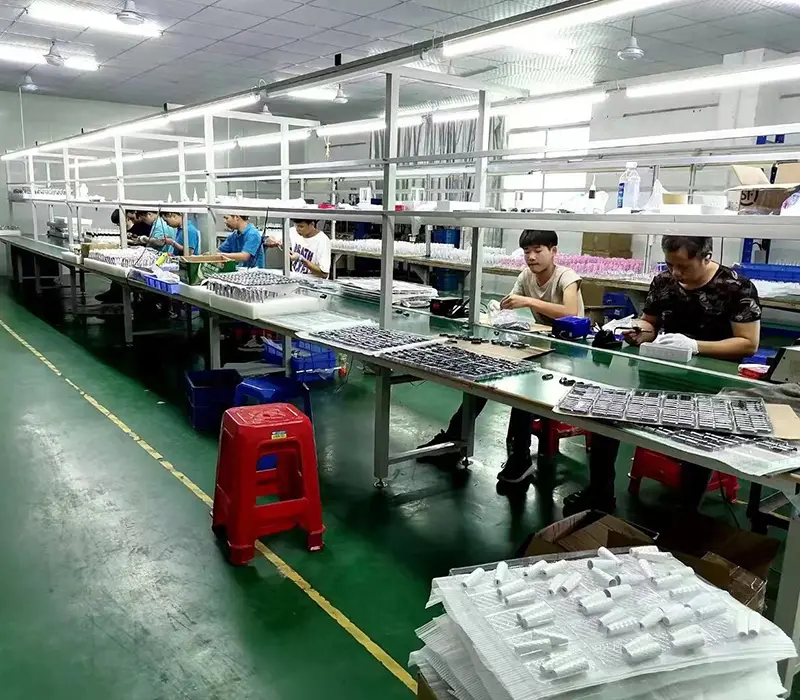
We build our aesthetic machines in compliance with international distribution parameters, verified by leading compliance agencies.




As the skin checking industry continues to evolve, developers and factories must look toward future tech integrations to maintain their market position. The next generation of clinical analyzers will integrate three primary technologies:
Standard 2D imaging cannot accurately measure wrinkles, pore depth, or skin volume loss. Next-generation systems will utilize structured light arrays to capture high-density 3D surface maps of the face. This provides measurable volumetric depth analysis, allowing practitioners to track the structural effects of dermal fillers and skin-tightening treatments over time.
To diagnose skin conditions across diverse patient demographics, AI models require training on balanced datasets from varying skin tones. Our upcoming software architecture implements federated learning protocols. This allows diagnostic algorithms to train on diverse international patient data while maintaining local privacy and GDPR compliance.
The future of professional skin diagnosis lies in connected ecosystems. Clinical analysis data will sync automatically with home treatment devices, like handheld LED wands or personalized topical dispensers, creating a closed-loop monitoring cycle that improves patient engagement.
Addressing the technical, regulatory, and logistics questions most important to global distributors.
High-precision technologies engineered for scalp analysis, skin regeneration, and body contouring.
 Aidiesin