Why Choose a Skin Tightening Machine for Your Clinic?

Time:2026-09-29 Author:Aria
0%

Choosing a Skin Tightening Machine can reshape how a clinic delivers non-surgical aesthetic care. Patients often want firmer skin, clearer expectations, and little interruption to daily life. A well-selected device can support those needs through controlled radiofrequency, ultrasound, or other clinically established energy technologies.

Dermatologist Dr. Tina Alster has stated, “There is no one-size-fits-all approach to cosmetic procedures.” That principle should guide every purchase. A reliable clinic does not choose equipment because it looks advanced. It considers treatment indications, skin types, operating depth, temperature control, comfort, maintenance, and documented clinical evidence. Some systems provide real-time feedback. Others offer adjustable energy levels for different facial areas. Small details matter around the jawline, cheeks, and delicate skin near the eyes.

Experience matters, too. Providers should complete appropriate training, assess contraindications, explain realistic outcomes, and record treatment settings carefully. Results can develop gradually. They may also vary between patients. No device replaces sound clinical judgment. That is easy to forget.

A practical evaluation includes a live demonstration, supplier support, warranty terms, and transparent operating costs. Clinics should also confirm that the device meets applicable medical-device requirements in their region. A Skin Tightening Machine is not a shortcut to expertise. It is a tool that works best within a careful treatment plan, honest consultation, and consistent follow-up. The wrong choice can create expense without creating trust. The right choice can strengthen patient confidence, improve workflow, and support safer, more personalized care.
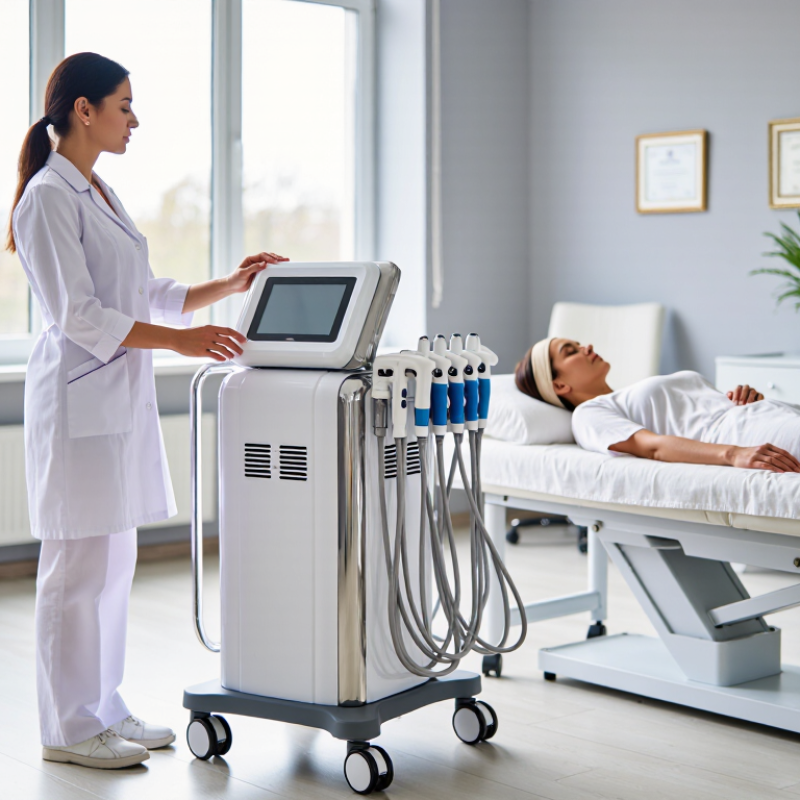
Why Choose a Skin Tightening Machine for Your Clinic?

What Is a Skin Tightening Machine?

Why Choose a Skin Tightening Machine for Your Clinic?

A skin tightening machine delivers controlled energy into targeted skin layers. Common technologies include radiofrequency, ultrasound, and light-based systems. They gently heat tissue, encouraging collagen remodeling and gradual firmness. Some devices also support mild contour refinement. Results depend on energy settings, skin condition, and treatment planning. It is not a magic wand.

Industry demand is growing. The International Society of Aesthetic Plastic Surgery reported over 19 million nonsurgical procedures worldwide in its 2023 Global Survey. Grand View Research also projects steady growth in the global skin tightening market through 2030. These figures suggest stronger patient interest, but they do not guarantee clinical outcomes. Practitioners still need training, documented protocols, and realistic consultations. In daily practice, patients may notice smoother texture before visible tightening. That timing can feel disappointing.

Tips: Match the technology to the patient’s skin type, laxity, and treatment area. Record baseline photographs under consistent lighting. Explain that results usually develop gradually. Review medical history and device guidance before treatment. Avoid promising permanent improvement. A careful operator matters as much as the machine.

How Do Skin Tightening Treatments Work?

Why Choose a Skin Tightening Machine for Your Clinic?

Skin tightening treatments work through controlled energy, not surface pressure. Radiofrequency warms the dermis, encouraging collagen contraction and gradual remodeling. Ultrasound delivers focused heat at selected depths. Some laser systems create precise thermal zones that stimulate repair. The patient may feel warmth, brief tingling, or mild redness. The process sounds simple. It is not always predictable.

Treatment results depend on skin thickness, age, laxity, energy level, and operator technique. In clinical practice, careful assessment matters more than impressive settings. A 2023 systematic review in the Journal of Cosmetic Dermatology reported that energy-based treatments can improve skin laxity, but outcomes vary across studies. Improvements usually develop over several weeks, not overnight. Collagen needs time to reorganize. A single session may be insufficient.

Demand also supports informed investment. The ISAPS Global Survey 2023 recorded about 19.1 million nonsurgical aesthetic procedures worldwide. However, that figure covers many treatment types, not skin tightening alone. Clinics should examine local demand, training requirements, treatment depth, and maintenance costs before purchasing equipment. I would avoid promising dramatic lifting. That expectation can damage trust. Better consultations show patients a treatment timeline, realistic photographs, and possible limitations. Proper screening remains essential, especially for sensitive skin, implanted devices, or unclear medical histories.

Which Skin Concerns Can These Machines Address?

Skin tightening machines can address several visible concerns without surgery. They are commonly used for mild skin laxity, fine lines, uneven texture, and reduced firmness. Radiofrequency devices deliver controlled heat into deeper skin layers. Ultrasound systems use focused energy at selected depths. Some light-based technologies also support collagen remodeling. The International Society of Aesthetic Plastic Surgery reported more than 18 million nonsurgical aesthetic procedures worldwide in its 2022 Global Survey. Demand is growing, but popularity does not guarantee identical results.

Clinical reviews published in Dermatologic Surgery report that energy-based treatments may produce modest improvements in laxity and wrinkles. Results often develop gradually as collagen changes over several weeks. They can be more noticeable on the jawline, neck, abdomen, or upper arms. These machines may also improve rough texture and mild crepey skin. However, they cannot correct significant sagging like surgery. Some patients expect a dramatic lift. That expectation needs careful discussion.

Tips: Match the device to the concern, skin type, and treatment area. Take standardized photographs before each treatment plan. Review published safety data, operator training, and realistic treatment intervals. A consultation should include medical history and previous procedures. “More energy” is not always better. In practice, comfort, settings, and patient selection can influence outcomes as much as the machine itself. The American Society for Dermatologic Surgery has repeatedly identified aging skin and wrinkles as leading reasons patients seek aesthetic care, yet maintenance remains necessary. Results may fade. That part is easy to overlook.

Why Choose a Skin Tightening Machine for Your Clinic?

These treatments can offer non-surgical options for patients concerned about mild skin laxity and related signs of aging. The chart summarizes common treatment targets; suitability and results depend on the device, treatment settings, and individual patient.

Qualitative focus scale: 1 = less typical target, 5 = more typical target. Scores are an illustrative indication guide, not clinical-trial data or a prediction of treatment results. A qualified provider should assess each patient and device-specific indications.

What Benefits Can a Skin Tightening Machine Offer a Clinic?

A skin tightening machine can expand a clinic’s treatment options without adding complex surgical procedures. Patients often seek firmer skin, softer lines, and a more refreshed appearance. A well-selected device may support these goals through controlled energy and targeted treatment settings. Results vary. Clear consultations remain essential.

For a clinic, the practical benefits include flexible scheduling and repeat treatment plans. Many sessions can fit into a regular appointment block, depending on the technology and treatment area. Patients may return to work quickly, which can make the service attractive to busy professionals. The room feels calmer. Staff can also track progress with standardized photographs, treatment notes, and follow-up reviews.

Safety depends on more than the machine itself. Trained practitioners should assess skin type, medical history, expectations, and possible contraindications before treatment. They should explain warmth, temporary redness, and realistic improvement. It is not a magic wand. Some clients may need several sessions, while others may notice limited change. Clinics should review their protocols regularly, maintain equipment properly, and document every adjustment. Our early assumption might be that stronger settings produce better outcomes, but comfort, consistency, and patient selection often matter more. A responsible clinic treats the device as one part of a complete care process.

How Can Clinics Choose the Right Machine?

Choosing the right skin tightening machine begins with patient needs, not impressive specifications. Clinics should define their main goals, such as improving mild laxity, texture, or facial contours. Consider the treatment area, expected downtime, and the skin types commonly seen in your practice. A device with adjustable energy settings may support more individualized care. However, flexibility does not replace clinical judgment.

Ask the supplier for peer-reviewed evidence, safety information, training details, and maintenance requirements. Confirm that the machine includes clear operating guidance and reliable temperature or energy monitoring. In practice, small features matter. A comfortable handpiece can improve positioning during a thirty-minute session. Easy-to-clean surfaces can also support consistent hygiene. Higher energy is not automatically better. It may increase discomfort or unwanted reactions when used poorly.

Tips: Compare at least three machines using the same criteria. Request a supervised demonstration. Review realistic before-and-after images, not only promotional photographs. Calculate consumables, servicing, staff training, and room time. Speak with experienced clinicians about workflow, patient comfort, and common problems. A short trial period can reveal issues that a brochure hides. I would also record treatment feedback after each session. Some choices look sensible initially, yet patient responses may challenge your assumptions. Clinics should keep improving their protocol through documented outcomes, informed consent, and appropriate referral when a patient’s needs exceed the device’s purpose.

FAQS

What is a skin tightening machine?

It delivers controlled radiofrequency, ultrasound, or light-based energy into selected skin layers. The energy gently heats tissue and may encourage collagen remodeling. Results develop gradually. It is not a magic wand.

Which skin concerns can these machines address?

They may improve mild laxity, fine lines, uneven texture, and reduced firmness. Common treatment areas include the jawline, neck, abdomen, and upper arms. Significant sagging usually needs a different approach.

How long does it take to see results?

Some people notice smoother texture before visible tightening. Firmness may improve over several weeks as collagen changes. Timing varies. That can feel disappointing.

Can one treatment create a dramatic lift?

Usually, no. These machines may provide modest improvement rather than a surgical-level lift. Several sessions might be needed, depending on the device and treatment plan. Expectations need honest discussion.

How should a clinic choose the right machine?

The clinic should consider skin type, laxity, treatment area, and published safety data. Energy settings should match the person, not just the machine’s maximum power. More energy is not always better.

What should happen before treatment?

A trained practitioner should review medical history, skin condition, previous procedures, and treatment goals. Standardized photographs can show changes under consistent lighting. Small details matter.

What benefits can a clinic gain from offering this treatment?

A suitable machine can add non-surgical treatment options and support flexible appointment scheduling. Many patients can return to normal activities quickly. The room feels calmer.

Are the results permanent?

No. Improvements may fade, and maintenance treatments can be necessary. A clinic should avoid promising permanent results. We often underestimate that part.

What factors affect treatment safety and outcomes?

Operator training, patient selection, device maintenance, treatment settings, and follow-up all matter. Temporary warmth or redness may occur. Careful documentation helps reveal what worked, or did not.

Conclusion

A Skin Tightening Machine is a professional aesthetic device designed to help improve skin firmness, elasticity, and overall appearance through controlled energy or other non-invasive technologies. These treatments work by stimulating natural collagen production, encouraging tissue renewal, or gently warming targeted layers of the skin. Depending on the treatment method, they may help address concerns such as fine lines, mild sagging, uneven texture, and loss of facial or body firmness.

For a clinic, investing in a Skin Tightening Machine can expand treatment options, support customized care plans, and improve the overall patient experience with convenient, non-surgical procedures. Clinics should carefully evaluate each machine’s treatment technology, operating requirements, safety features, treatment versatility, maintenance needs, training support, and suitability for different skin concerns. Choosing equipment that aligns with the clinic’s services, professional capabilities, and patient needs can help create a reliable and effective treatment offering.


Aria

Aria

Aria is a dedicated marketing professional with a deep passion for innovative strategies and a keen understanding of our company's product offerings. With a wealth of experience in the industry, Aria excels at crafting engaging content that highlights the unique features and benefits of our......