Finding the right Red Light Therapy Device can be a journey filled with choices. Many products claim to deliver remarkable benefits, but not all are effective. Understanding how these devices work is crucial. Red light therapy harnesses specific wavelengths to promote healing and rejuvenation.
When exploring options, consider factors like design and power output. Some devices are portable, while others are larger and intended for home use. User reviews can reveal insights but may vary widely. This contributes to the confusion for potential buyers. Reflect on your specific needs before making a decision.
Take the time to research reputable brands. Quality matters when investing in a Red Light Therapy Device. Seek professional opinions and scientific studies to make an informed choice. Remember, the best device for you aligns with your health goals and lifestyle.
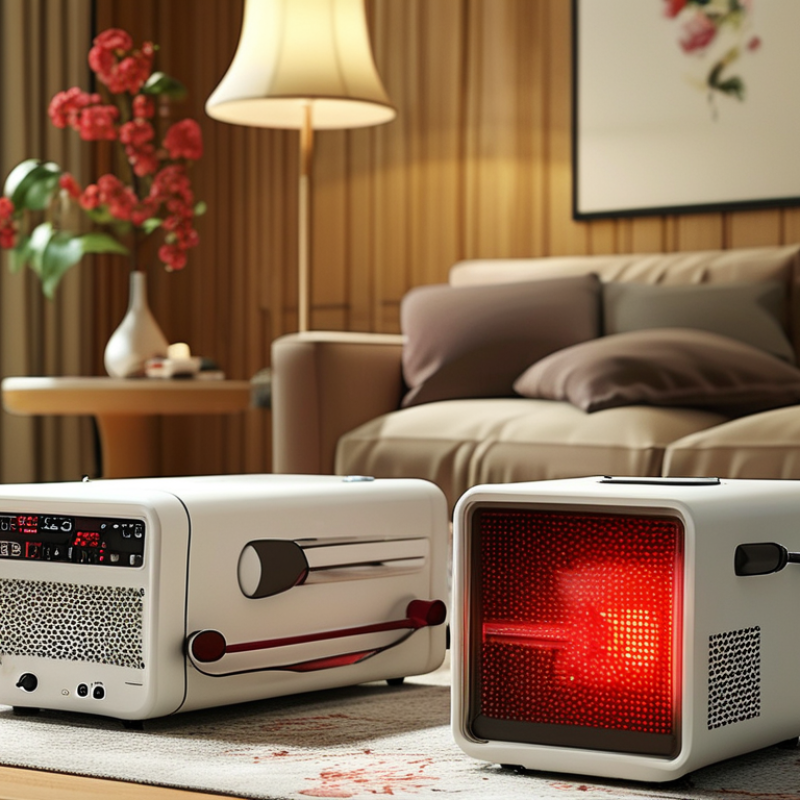
Red light therapy leverages specific wavelengths of light to promote healing and skin rejuvenation. The science behind it shows that these wavelengths stimulate cellular function. This can lead to enhanced collagen production and improved circulation. Many users report noticeable changes in skin texture and reduced signs of aging.
The mechanisms at work include increased ATP production within cells, which boosts energy levels. This effect can help reduce inflammation and alleviate pain. However, individual results vary widely. Some people may experience rapid improvements, while others see gradual effects. It's important to manage expectations and understand that consistency is key.
The potential benefits extend beyond skin care. Red light therapy has been studied for muscle recovery and pain relief. Nevertheless, ongoing research is necessary to solidify these claims. Each person's experience can differ based on skin type and health conditions. Continuous self-assessment and consultation with health professionals are advisable for optimal results.
This bar chart illustrates the effectiveness of various wavelengths used in red light therapy, measured in arbitrary units. It indicates that 660 nm wavelength shows the highest effectiveness, often preferred for therapeutic applications.
When choosing a red light therapy device, several key factors come into play. First, you should consider the wavelength of the light emitted. Most research emphasizes the effectiveness of light between 600 and 900 nanometers. This range penetrates the skin effectively, promoting healing and rejuvenation. Not every device meets this standard, so it’s vital to check specifications.
The size and design of the device are equally important. Larger panels cover more area, which is beneficial for broader use. However, handheld devices can be convenient for targeted treatments. Think about your needs and the areas you wish to target. Portability may matter if you travel frequently or have limited space.
Also, consider the power output measured in joules. Higher output often leads to increased effectiveness in therapy sessions. Despite the promise of red light therapy, not all devices deliver equal results. Read reviews and research findings critically. Different users may provide insights that highlight strengths and weaknesses. Balancing these factors will guide you in finding the optimal device for your needs.
| Feature | Device A | Device B | Device C |
|---|---|---|---|
| Wavelength | 600-650 nm | 800-880 nm | 650-700 nm |
| Power Output | 50 mW/cm² | 70 mW/cm² | 45 mW/cm² |
| Treatment Area | 8 cm² | 10 cm² | 5 cm² |
| Session Duration | 15 mins | 20 mins | 10 mins |
| Portability | Yes | No | Yes |
| Price | $100 | $150 | $80 |
Red light therapy has gained popularity for its potential health benefits, including skin rejuvenation and pain relief. A comparative analysis of top devices in the market shows noteworthy differences in specifications and performance. According to recent industry reports, effective devices typically emit wavelengths between 600 and 660 nanometers for red light and 810 to 850 nanometers for near-infrared light. These wavelengths penetrate the skin, promoting cellular processes and healing.
When evaluating devices, consider factors like power density and treatment time. Devices with a higher power density, measured in mW/cm², deliver stronger effects. A power density of at least 100 mW/cm² is recommended for optimal results. Many users report varied experiences; some may find faster results while others need consistent use over weeks. Not all devices on the market measure up in clinical outcomes, highlighting the importance of thorough research.
User feedback often points out imperfections in device designs, such as inadequate coverage or inconsistency in light intensity. This can influence overall success. Professionals stress the need for a reliable user manual and sufficient customer support, as these aspects significantly affect user experience. In light therapy, individual responses may differ. It's important to approach this technology with realistic expectations and ongoing evaluation.
Red light therapy has gained popularity for its potential benefits in various health areas. Clinical studies have shown promising results in pain relief, skin rejuvenation, and muscle recovery. However, the extent of these benefits can vary widely among individuals. Some users report remarkable improvements, while others notice little to no change. This variance calls for a careful evaluation of both clinical data and personal experiences when choosing a therapy device.
Patient testimonials provide valuable insight into red light therapy's efficacy. Many people share stories of reduced inflammation and enhanced skin texture. Yet, individual responses can differ significantly. Some may experience side effects like temporary redness or discomfort. It's essential to consider these factors before investing in a device. The goal is to find a balance between potential benefits and the risk of adverse reactions.
Safety is another crucial aspect to assess. Reliable devices should adhere to safety standards and have positive feedback from healthcare professionals. Prior investigations into device safety can offer further reassurance. Exploring a diverse range of experiences will inform your choice. Ultimately, understanding both clinical outcomes and personal testimonies fosters a more informed decision.
When considering a red light therapy device, balancing cost and benefits is essential. Red light therapy can provide various health benefits, such as improved skin tone, reduced inflammation, and enhanced muscle recovery. However, not all devices offer the same level of effectiveness. Researching credible sources will help you understand what features matter most.
Decide on the type of treatment you need. Some devices target specific areas, while others cover larger surfaces. This can influence the price significantly. Higher-cost devices often come with better power outputs and warranty support, potentially justifying the investment. Reflect on your long-term therapeutic goals and what you are willing to spend.
Pay attention to product reviews and expert endorsements. Look for devices with clinical studies backing their claims. Ask questions if something is unclear and weigh the potential outcomes against the costs. Understanding your needs and aligning them with device offerings can lead to an informed decision.
Make sure the device you choose is suited to your specific health needs. Consider starting with something more affordable before committing to high-end options. This approach allows you to gauge whether you truly benefit from red light therapy. Also, take the time to read user experiences to learn from others who have traveled this path.
: Red light therapy uses specific light wavelengths to promote healing and improve skin appearance.
It stimulates cellular function, increases ATP production, and boosts energy levels within cells.
Users may notice improved skin texture, reduced signs of aging, and pain relief.
No, individual results vary. Some see quick changes, while others experience gradual effects.
Consider the light wavelength, size, design, and power output of the device you select.
The most effective wavelengths are between 600 and 900 nanometers.
Higher power density, at least 100 mW/cm², typically enhances the effectiveness of therapy sessions.
Yes, user feedback often highlights differences in results, such as treatment speed and effectiveness.
Users may encounter design flaws, such as inadequate coverage or inconsistent light intensity.
Continuous evaluation helps users adapt their therapy for optimal results based on personal responses.
Red Light Therapy Device has gained popularity for its potential benefits in various health and wellness applications. Understanding the science behind red light therapy is crucial, as it involves specific wavelengths that interact with the body at a cellular level, promoting healing and reducing inflammation. When choosing the right red light therapy device, users should consider key factors such as wavelength efficacy, device size, and treatment area coverage.
A comparative analysis of the top devices on the market reveals significant differences in features, safety, and efficacy, supported by clinical studies and patient testimonials. It's essential for potential users to evaluate the cost versus benefits to make an informed investment in a red light therapy device, ensuring it meets their specific therapeutic needs.
Aidiesin